The Bravery of Being on Display
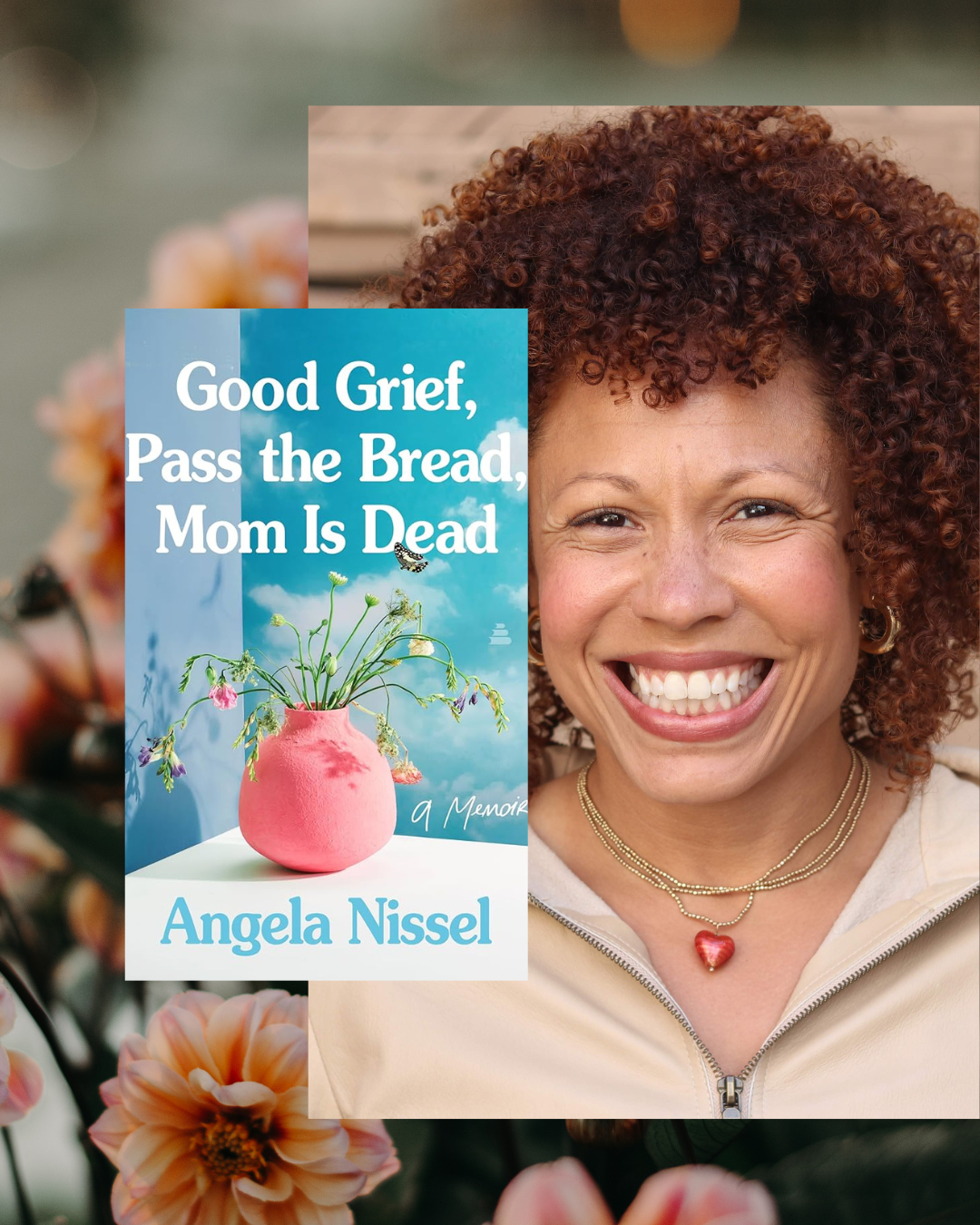
Read Like a Writer — Week 4, Chapters 13-18
Hey friends,
We're in the aftermath now — and if you've been feeling the shift this week, you're not imagining it. Good Grief, Pass the Bread, Mom Is Dead moves almost like a book in four parts: the start of the ordeal with her mother, the decline, the death, and now this — the after. Chapters 13–16 drop us squarely into that third section, where Angela makes the decision to go to Philly and then, instead of finding her footing, spirals. The fight with her brother about moving to LA. The undoing. It's the part of grief nobody photographs.
Here's what I want us to sit with as writers this week: how Nissel structures collapse without letting it collapse the book.
A different memoir might smooth this over, give us a clean arc, a tidy lesson, a protagonist who grieves gracefully. Nissel does the braver thing. She puts the spiral on the page in full. Wrestling with all the different types of emotions that planning funerals, and interacting with people during these impossible times in life can leave you forever changed.
She is also battling internal stakes here that are evident in this line, "’if you can make it’ equaled if you loved her enough." This tells us this was never only about loss. Angela has been vying for her mother's approval the whole way through, and she won't let us pretend death resolved that. The longing didn't end. It just lost its object.
That's the craft move worth stealing: let the internal wound stay open. We're trained to resolve our characters. Nissel resists, and the book is more honest for it.
And still, the laughter. Even here, in the worst of it, Chapter 13 hands us "Harriet Tubman would have shot you," tossed off in reference to her own weakness against everything her mother survived. This is the tightrope of grief writing: the humor isn't relief from the pain, it's how this particular voice metabolizes it. The joke and the wound come from the same place. Notice how Nissel never uses comedy to let herself off the hook, it sharpens the exposure rather than softening it.
Which brings me to the real risk Nissel is taking. Memoir is the genre where your person gets critiqued alongside your prose. She's not inventing a character to absorb the reader's judgment, she's putting herself on display: the pettiness, the spiraling, the unmet need for a dead woman's approval. That's the bravery of the form. When you write memoir, you're inviting people to grade your life, not just your sentences.
This week, as you read:
Track the four-section shape. Where exactly does each turn? What's the first sentence that tells you you've entered a new movement?
Find a moment where Nissel could have given herself grace and chose exposure instead. What does that choice cost her, and what does it earn the book?
Watch the humor in the grief chapters. Who is it protecting, if anyone?
For your own work: where are you resolving an internal wound too neatly because it's uncomfortable to leave open?
We're set up now for whatever life lesson waits on the other side of this tragedy, but Nissel makes us earn it, the same way she did. That's the contract. And I’m not even sure that it will be the neat, tidy, bow that we anticipate based on what we’ve read so far.
See you in the comments. And mark your calendars — July 12 at Reparations Club, in person with Angela Nissel herself. You don't want to read this book and miss the chance to be in the room.
Until next time,
Ashley