The last stretch, and one poem that will undo you
Read Like a Writer - Chapters 17-19 and Epilogue
Hi Writers,
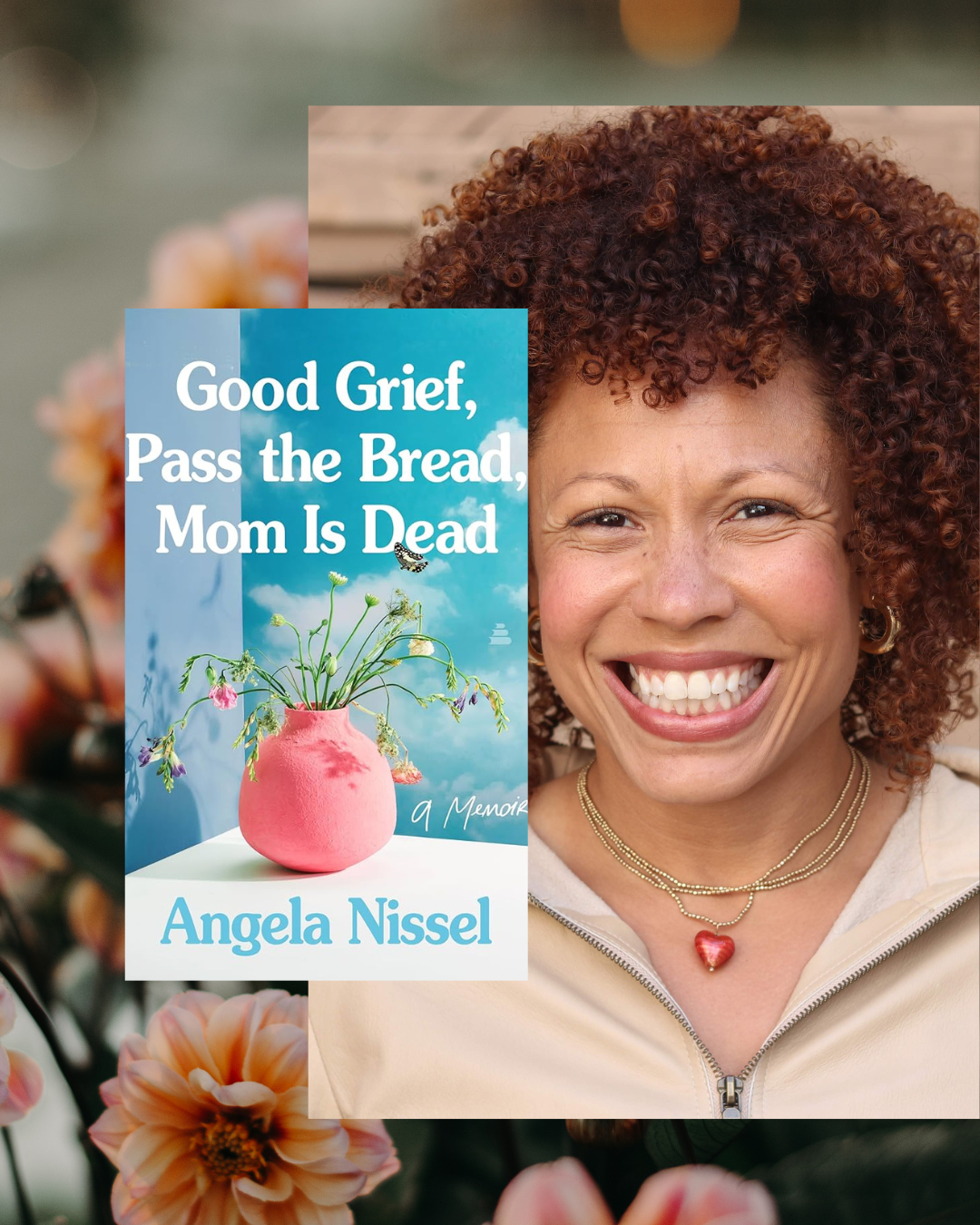
We're closing out our time with Good Grief, Pass the Bread, Mom Is Dead this week, and if you've made it to the final chapters, you already know Angela Nissel is not interested in giving us a clean ending. Good. Neither is grief.
Where we land
Chapters 17 through 19 find Angela still digging out. The psychic detour, the joblessness, the therapy sessions that don't fix things so much as they hold her while she spirals. It's not comfortable to read, and it shouldn't be. Then on page 182, we get the moment so many of us have been waiting for without knowing it: her mother's acceptance, the one Angela had been chasing the whole book. "My mom has options and out of all of them, she'd chosen to come with me." That's it. That's the whole thing grief writing is trying to earn.
But Nissel doesn't let us rest there either. Angela eventually makes it to the desert retreat she once wanted her mother to take, and it isn't the answer she was hoping for. She reconnects with her brother, and she gets there through some familiar, not particularly noble, manipulation. It's a small moment, but it's an important one. It tells us that all the work Angela has been doing on herself isn't finished just because we're near the last page. That's a craft lesson as much as a grief lesson. Your story doesn't owe anyone a bow.
The letter, and the poem
The book closes with Angela reading a letter to her mother over a phone in the park that is supposed to connect with dead relatives, symbolically, I think. But here she’s reunited with her brother Jack in Philadelphia, after the birth of his daughter. And we get this touching moment with them both present.
Then, the epilogue tells us something we've likely been wondering the whole time we've been reading: it has been fifteen years since her mother's passing. That distance matters. It's part of why she could write this book at all. There's a version of this story Angela couldn't have told at year one, or even year five. Time gave her the room to look at the hardest parts of her life without flinching, and that's worth sitting with as writers working on our own material that still feels too close to touch.
And then there's "Places." Angela includes a poem her mother, Gwendolyn, wrote, and it is the moment that will undo you. After nearly two hundred pages of Angela's voice, we hear Gwendolyn's, and it lands like a hand on the back of your neck. It's the kind of ending that reminds you why we read memoir in the first place: not for resolution, but for a real person, fully seen.
Before we gather
This is your final call. We're meeting in person at Reparations Club on July 12 to talk through all of it, together, in the room. If you're in LA, come. Bring your copy, bring your questions, bring whatever this book stirred up for you.
If you're outside LA, stay tuned. We're working on streaming options so you can be part of the conversation too, and we'll have details soon.
See you soon, Ashley + PTW